
EmpowerHeal Physical Therapy
Pelvic Floor Therapy and EDS physical therapy serving Bethesda and Washington DC surrounding metropolitan areas
X
Pelvic Floor Therapy and EDS physical therapy serving Bethesda and Washington DC surrounding metropolitan areas
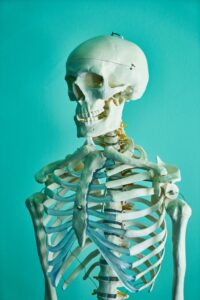
Rib dysfunction refers to abnormal movement or positioning of the ribs or the joints that connect them to the spine (costovertebral and costotransverse joints) and sternum (sternocostal joints). These small but important joints help the chest expand and contract during breathing.
In people with Ehlers–Danlos syndrome, where connective tissues are more flexible and less stable, these joints can move excessively or sublux (partially dislocate). This instability can lead to pain, breathing discomfort, or even sensations of ribs “popping out.”
Ligament laxity means ribs can move more than they should.
Weakened connective tissue around costal cartilage and the sternum can allow slippage or subluxation.
Muscle overuse and guarding may develop as the body tries to stabilize the area, causing secondary pain.
Commonly affected areas:
Costovertebral joints (where ribs meet the spine)
Costosternal junctions (where ribs meet the sternum)
Costochondral junctions (where bone meets cartilage)
People with EDS-related rib dysfunction often describe:
Sharp, stabbing, or aching pain along the ribcage or upper back
A sensation of ribs “moving” or “clicking”
Pain that worsens with breathing, twisting, or lying on one side
Shortness of breath or shallow breathing (due to pain)
Referred pain into the shoulder blade, chest, or abdomen
Because the symptoms can mimic heart, lung, or gastrointestinal problems, many people go through extensive testing before finding the musculoskeletal cause.
Gentle strengthening for core and intercostal muscles
Postural retraining to improve rib and spine alignment
Breathing exercises to reduce guarding and restore movement
Gentle mobilizations or myofascial release
Kinesiology taping or rib belts can provide temporary stability
Postural braces may help in severe instability (under professional guidance)